Maximizing the Utility of Your Workout Alternatives Vector Infographic
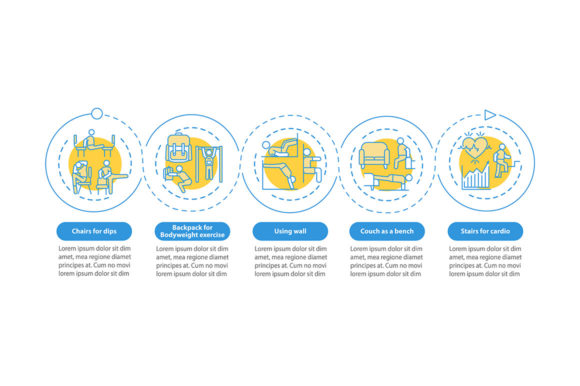
Fitness content creation has evolved beyond simple text posts and stock photos. Audiences now expect clear, visual explanations that simplify complex routines or offer accessible substitutions for traditional gym equipment. A Workout Alternatives Vector Infographic serves as a powerful bridge between expert knowledge and audience understanding, specifically when illustrating how everyday items like couches can replace benches or stairs can substitute for cardio machines. However, possessing the template is only the first step. The true value lies in how effectively you adapt these design elements to communicate accurate, safe, and engaging fitness advice without compromising visual integrity or user experience.
Many creators, marketers, and fitness professionals download these assets with the intention of streamlining their workflow, only to encounter friction during the editing process or disappointment in the final output. These issues rarely stem from the quality of the original artwork but rather from overlooked technical details and strategic misalignments. Understanding the common pitfalls associated with vector templates ensures that your investment translates into high-performing content that resonates with beginners and enthusiasts alike.
Overlooking Format Compatibility and Editability
The most frequent mistake occurs before the design software is even opened. Users often assume that all vector files are universally compatible or equally editable. When evaluating a Workout alternatives vector infographic template, it is critical to verify the specific file formats included in the ZIP package. While JPG and PNG files are excellent for immediate social media posting, they are raster images that cannot be edited without significant quality loss. True customization requires source files like EPS, AI, or SVG.
A common oversight is attempting to edit an EPS file in outdated software or non-industry-standard tools. This can result in broken gradients, missing fonts, or ungrouped layers that make modifying the "couch as bench" or "stairs for cardio" illustrations nearly impossible. Before purchasing or downloading, confirm that the AI or EPS version matches your current Adobe Illustrator or Affinity Designer version. If you rely on free tools like Inkscape or Canva, prioritize SVG formats, as they maintain scalability and layer separation better than legacy EPS files in non-Adobe environments. Ignoring this compatibility check leads to wasted hours trying to reconstruct elements that should have been ready to customize.
Neglecting Data Visualization Hierarchy
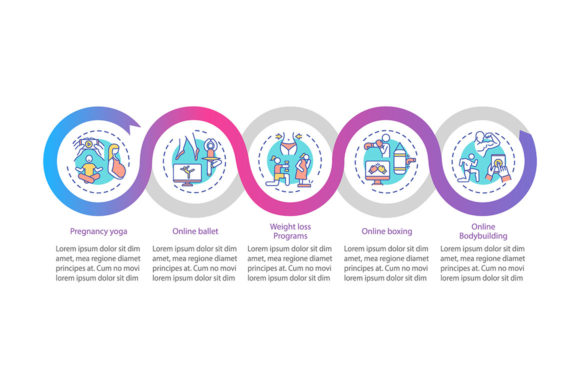
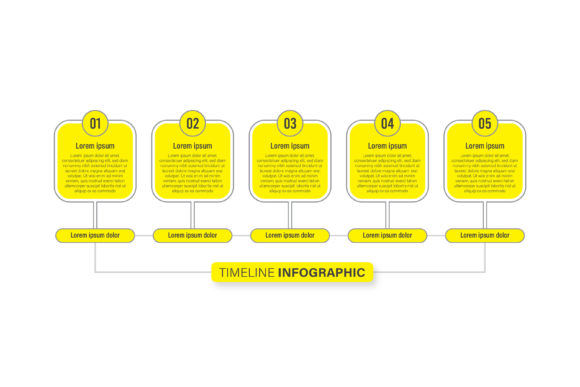
Visual appeal often takes precedence over information architecture, leading to infographics that look polished but fail to teach. The template may include a beautiful data visualization 5 steps layout, but simply swapping out placeholder text does not guarantee clarity. A frequent error is treating all five steps as visually equal when, in reality, safety precautions or setup instructions require more emphasis than the execution phase.
When adapting the process timeline chart, avoid cramming excessive text into small vector shapes. Fitness audiences scan content quickly; if the font size drops below readable thresholds on mobile devices, the infographic fails its primary purpose. Instead of forcing content into the pre-existing boxes, use the linear icons as anchors and expand the surrounding negative space for key takeaways. For example, when illustrating stair cardio, the step regarding "checking shoe traction" deserves distinct visual weight compared to "repeating the set." Effective adaptation means respecting the cognitive load of the viewer, not just filling the designated slots in the template.
Misapplying Workflow Layouts for Linear Content
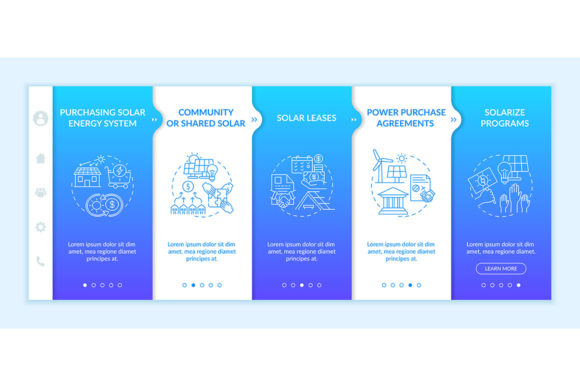
Templates featuring a workflow layout with linear icons are designed to show progression, yet many users force non-linear concepts into this structure. Not every workout alternative follows a strict chronological sequence. Some substitutions are conditional (e.g., "if you have knee pain, do X; if you have back pain, do Y"). Applying a rigid left-to-right timeline to conditional logic confuses the reader and undermines the educational value of the graphic.
Better approaches involve breaking the linear flow intentionally. Use the provided icons to create branching paths or modular clusters within the same canvas. If the template’s connector lines imply a mandatory sequence where none exists, remove them. Negative space is a valid design element. By decoupling the icons from the implied timeline, you transform a generic process chart into a decision tree that actually helps users select the right alternative for their specific situation. This flexibility distinguishes professional-grade content from amateur template usage.
Ignoring Contextual Accuracy in Illustrations
Vector art is stylized by nature, but stylization should never compromise biomechanical accuracy. A significant risk when using generic Workout Alternatives Vector Infographic assets is depicting exercises with poor form for the sake of aesthetic consistency. If the template shows a figure using a couch as a bench press station with an arched back or improper wrist alignment, publishing it as-is could lead to follower injury and liability concerns.
Always audit the anatomical correctness of the vector figures before finalizing your design. You may need to adjust limb angles or torso positioning using the pen tool or node editor. It is better to spend twenty minutes correcting a hip hinge angle than to publish misleading fitness advice. Additionally, ensure the depicted environment matches the context of your advice. If your article discusses apartment-friendly workouts, verify that the stair illustration depicts a residential staircase rather than a commercial stadium step, as the rise and run dimensions differ significantly. Authenticity in visual details builds trust with experienced practitioners who notice these nuances.
Technical Oversights in File Management and Export
The utility of a ZIP file containing multiple formats extends beyond mere convenience; it supports different stages of the content lifecycle. A practical mistake is discarding the source files after exporting a single PNG for Instagram. Six months later, when you need to update statistics or rebrand colors, you are left recreating the asset from scratch because the original AI or EPS file was lost or corrupted.
Establish a systematic asset management protocol immediately upon download. Unzip the folder and organize contents by format and project name. Keep the master AI/EPS files in a cloud-synced directory separate from your export folders. When saving customized versions, always retain a copy with live text and unmerged layers. Flattening your working file to save space is a false economy that destroys future editability. Furthermore, understand the color profile implications: vectors created in CMYK for print will appear dull when exported directly to RGB for web use. Always convert your document color mode before exporting digital assets to maintain the vibrancy intended by the designer.
Underestimating Licensing and Attribution Requirements
Finally, legal and ethical considerations are often the last thing on a creator's mind when excited about a new design resource. Assuming that purchasing a template grants unlimited commercial rights is a dangerous assumption. Some licenses restrict usage to personal projects, limit the number of impressions, or require attribution in the caption or credits. Failing to comply can result in takedown notices or legal disputes that damage your brand reputation far more than any design flaw could.
Read the license agreement included in the ZIP file or listed on the marketplace page before incorporating the Workout Alternatives Vector Infographic into monetized courses, client deliverables, or ad campaigns. If attribution is required, integrate it seamlessly into your post caption or website footer rather than cluttering the infographic itself. Respecting intellectual property not only protects you legally but also supports the ecosystem of designers creating these valuable resources. By combining technical diligence with strategic foresight, you transform a simple template download into a sustainable asset that elevates your fitness communication for years to come.