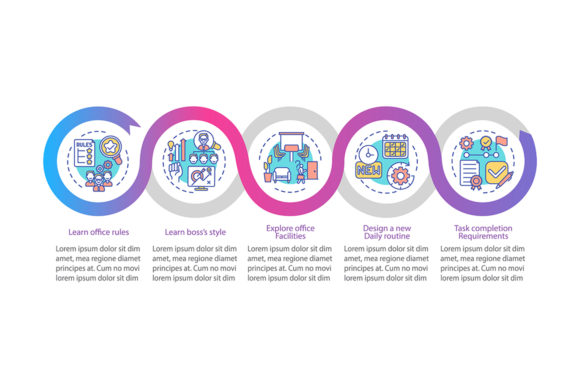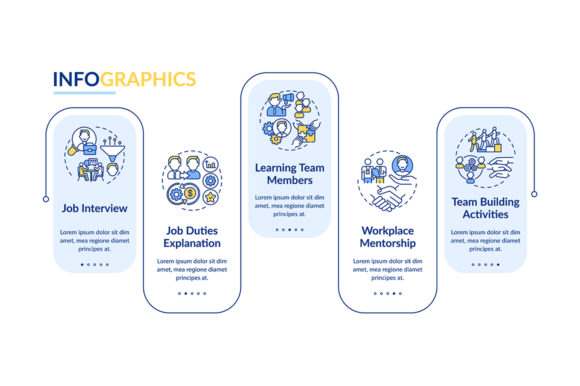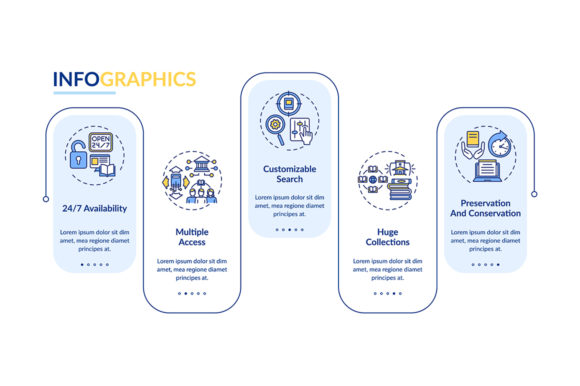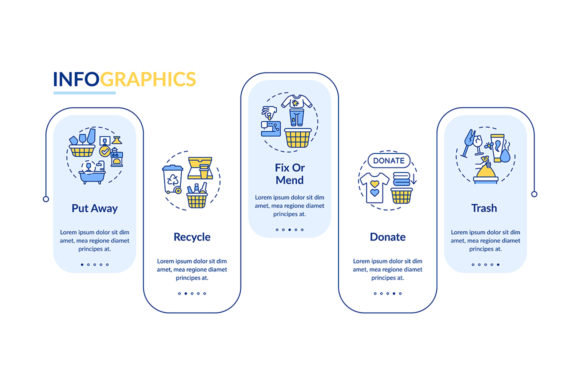
Ways to Declutter Things Infographic Design
Transforming complex organizational concepts into clear, actionable visuals is a cornerstone of effective modern communication, and a well-crafted Ways to Declutter Things Infographic serves as the perfect bridge between abstract advice and tangible user engagement. For graphic designers and marketers, this specific visual niche offers a unique opportunity to demonstrate clarity, structure, and empathy through design. When utilizing a dedicated ways to declutter things vector infographic template, professionals can streamline their workflow while ensuring that the final output maintains high standards of visual hierarchy and aesthetic appeal. These assets are not merely decorative; they are functional tools that enhance brand identity and improve information retention across digital and print platforms.
The Strategic Value of Process Visualization
In the realm of UX design and editorial layout, simplicity is often the ultimate sophistication. A decluttering infographic does more than list tasks; it visualizes a mental and physical transformation. By employing a process timeline chart or a linear workflow layout, designers guide the viewer’s eye through a logical narrative. This structured approach reduces cognitive load, making the content accessible and encouraging interaction. Whether used in a corporate sustainability report or a lifestyle blog, these data visualization techniques turn mundane instructions into compelling stories. The inclusion of donate and recycle presentation design elements specifically reinforces social responsibility, aligning brand values with visual execution.
Versatile Applications Across Creative Projects
The utility of these vector templates extends far beyond simple organization tips. They are adaptable creative assets suitable for various professional contexts:
- Digital Marketing & Social Media: Break down the 5-step decluttering process into carousel posts or vertical stories to boost engagement and shareability.
- Corporate Presentations: Use clean, linear icons to explain internal workflow optimization or office reorganization strategies during stakeholder meetings.
- Editorial & Web Design: Integrate scalable SVG graphics into articles or landing pages to break up text and improve readability metrics.
- Packaging & Merchandise: Adapt minimalist iconography for eco-friendly product packaging or instructional inserts that reinforce brand consistency.
- Non-Profit Campaigns: Leverage donation and recycling visuals to clearly communicate impact and drive community action.
Technical Considerations for Professional Results
Selecting the right template involves more than just aesthetics; it requires evaluating technical compatibility with your existing design system. A comprehensive ZIP file containing EPS, JPG, PNG, SVG, and AI formats ensures maximum flexibility across different media. Vector files like AI and EPS are essential for print design and large-format advertising, allowing for infinite scalability without pixelation. Conversely, optimized PNG and SVG formats are critical for web performance and UI design, ensuring fast load times and crisp rendering on high-DPI screens.
When customizing these assets, pay close attention to typography and color palette integration. The linear icons should complement your brand’s typeface rather than compete with it. Maintain consistent stroke weights and corner radii to preserve visual harmony. If the original template uses a generic color scheme, replace it with your brand colors to strengthen identity recognition. Furthermore, ensure adequate whitespace around each step in the workflow layout. Crowded designs undermine the very concept of decluttering, so prioritize negative space to create a sense of calm and order.
Enhancing Communication Through Thoughtful Design
Ultimately, the success of any infographic lies in its ability to communicate effectively without overwhelming the audience. By leveraging professional-grade vector templates, designers can focus on refining the message rather than rebuilding basic structures from scratch. This efficiency allows for deeper exploration of creative trends and more polished final deliverables. Whether you are designing for a mobile app interface or a printed brochure, investing in high-quality, editable assets ensures that your visual communication remains sharp, relevant, and impactful. Thoughtful design choices not only elevate the immediate project but also contribute to a cohesive, trustworthy brand experience that resonates with audiences long after they have finished reading.